

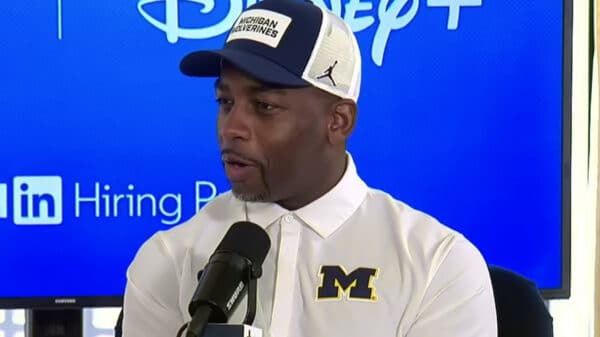








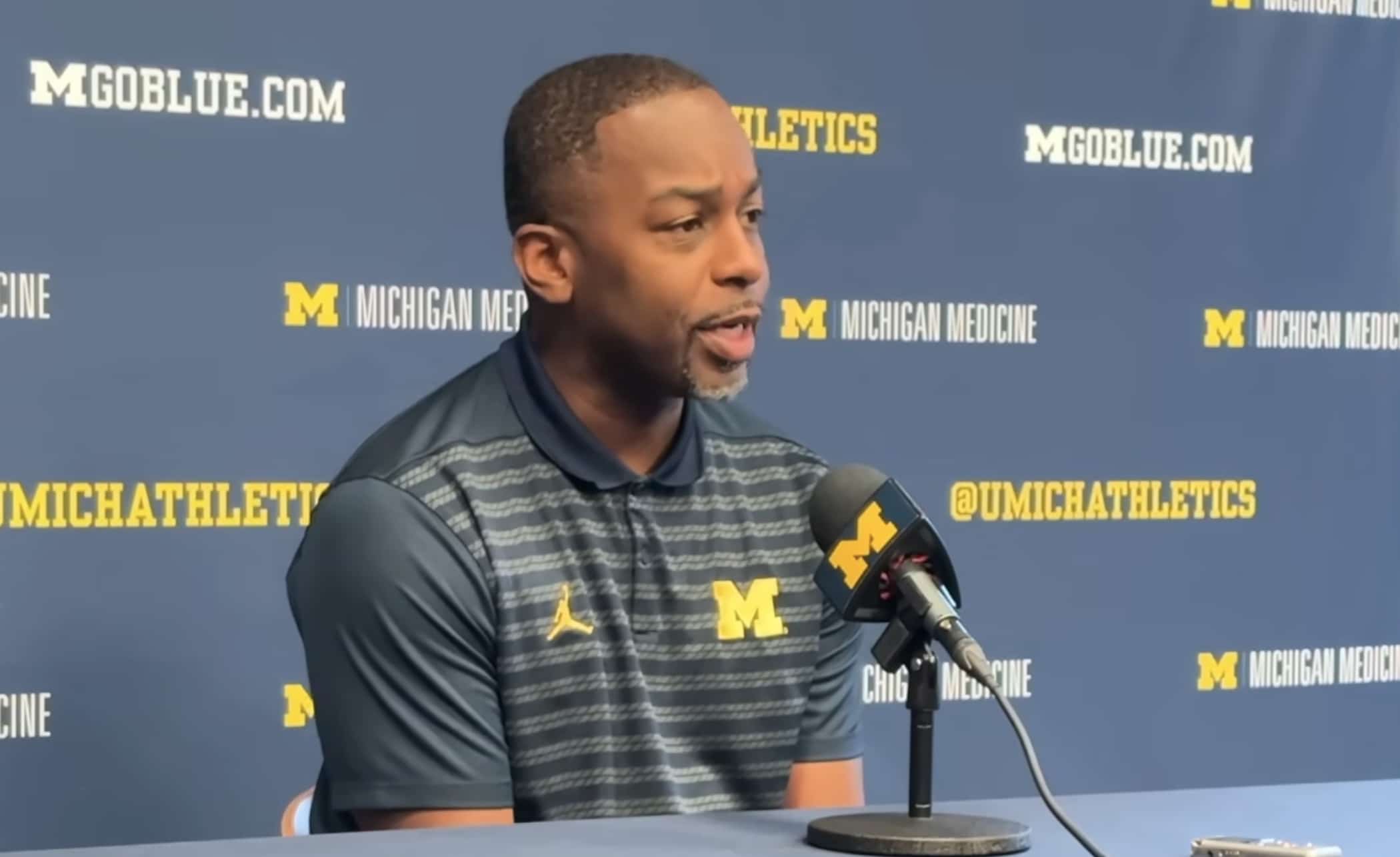
The landscape of college basketball is defined by its constant movement, but few transitions were as jarring as the recent shift at Michigan. Just months after leading the Wolverines to a national championship, Dusty May made the unexpected leap to the NBA to join the Dallas Mavericks. This sudden vacancy forced the Michigan administration to act with urgency, quickly naming assistant Mike Boynton Jr. as the interim head coach before formalizing his position with a two-year contract less than three weeks later.
Stabilizing the Michigan Program in the Wake of Major Coaching Changes
Stepping into the head coaching role under such high-pressure circumstances required immediate action. During a recent conversation on “Inside College Basketball Now” with Jon Rothstein, Boynton shared the internal dynamics of those first critical days. He described the initial discussions with the university’s leadership as transparent, noting that the priority was to provide stability for a department that hadn’t fully prepared for May’s departure.
Boynton’s primary objective was roster retention. With a team comprised of high-level transfers and a top-tier high school recruiting class, the risk of a mass exodus was high. He focused his efforts on convincing the players that their collective potential remained unchanged, emphasizing that they still possessed the talent necessary to compete for Big Ten titles and national honors.
Managing the Modern Recruiting and Retention Process
The first 72 hours of Boynton’s tenure were a whirlwind of communication. In the current era of college athletics, this meant more than just talking to student-athletes; it involved extensive outreach to parents and professional representatives. Boynton noted that with the presence of agents in the collegiate space, the “vision” for the program had to be clearly articulated to ensure stakeholders felt the team’s direction would remain consistent with the previous two years.
Maintaining a specific style of play was central to his pitch. Since the roster was already constructed to play a fast-paced, modern brand of basketball, Boynton assured the team that his leadership would not lead to a radical shift in philosophy. This consistency proved effective, as the Wolverines managed to keep nearly the entire roster intact, losing only one returning player to the transfer portal.
A Look at the Wolverines’ National Title Contention Roster
While Michigan saw the departure of some frontcourt talent and the loss of LJ Cason—who transferred to Miami after a season-ending injury—the core of the team remains formidable. The Wolverines’ championship aspirations are anchored by their backcourt, specifically Final Four Most Outstanding Player Elliot Cadeau. Boynton praised Cadeau’s unselfishness and impact on his teammates’ NBA prospects, while also highlighting the emergence of Trey McKenney, who is expected to transition from a key reserve into a high-volume scoring role in the starting lineup.
To supplement the returning core, Michigan aggressive pursued talent in the transfer portal. They secured a high-impact haul featuring Moustapha Thiam from Cincinnati, alongside J.P. Estrella and Jalen Reed from Tennessee and LSU, respectively. These additions resulted in the 12th-ranked transfer class in the nation. When combined with their high school recruits, Michigan’s overall talent intake ranks 3rd nationally, trailing only Duke and Texas.
Closing Thoughts on Michigan’s Path Forward
Mike Boynton Jr. has successfully navigated one of the most turbulent transition periods in recent Michigan basketball history. By prioritizing communication with players and agents while leaning into an established identity, he has kept a championship-caliber roster together. With a blend of proven veteran guards and a top-three overall recruiting and transfer class, the Wolverines remain positioned as a heavyweight contender on the national stage, proving that even after the loss of a championship-winning coach, the program’s foundation remains incredibly strong.