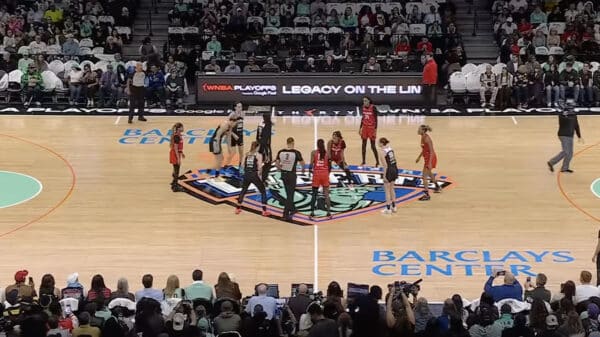

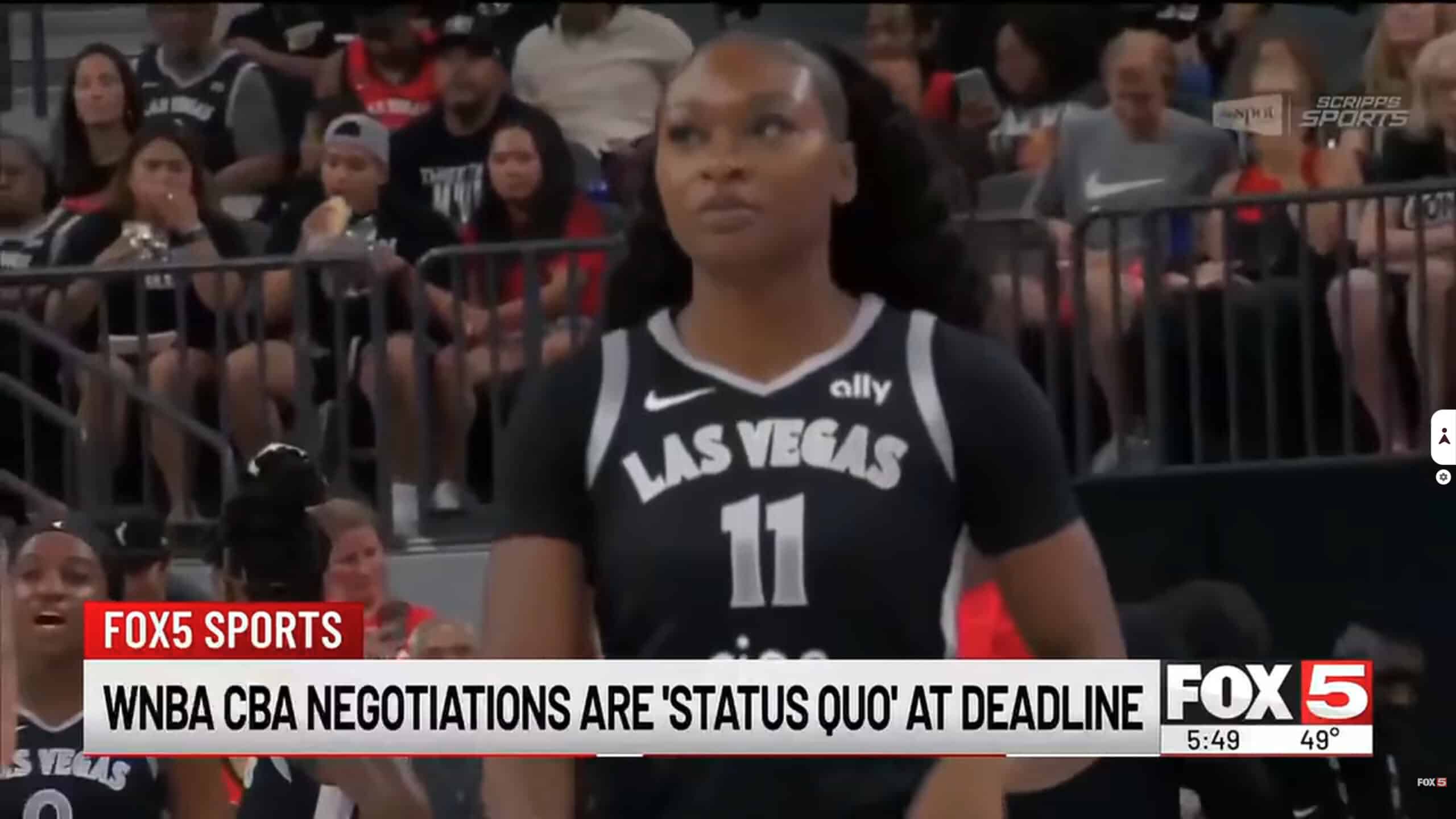

CBA negotiations between the WNBA and its players union are stepping into a critical weekend phase. The two sides previously extended their negotiating timeframe twice in the fall, but uncertainty hangs in the air regarding another extension before the midnight deadline on Friday.
When they exchanged proposals in December, a significant gap emerged—around $50-75 million difference in total annual salaries for 2026 was reported between the offers. Since then, visible progress has been scarce.
WNBPA president Nneka Ogwumike emphasized the urgency to ESPN on Thursday, stating, “There’s still time. But at this point, it’s whether they’re willing to close the deal. Evidence suggests the league may be trying to let the clock run down.”
Even without an official extension, both parties intend to keep discussing the agreement if they sense progress. In that case, the league would operate under a “status quo” period while negotiating new terms.
Players have already authorized their union to initiate a strike, though immediate action isn’t guaranteed. Should a work stoppage, like a strike or lockout, occur, the union has organized a network of training facilities accessible during the offseason, as announced on Thursday.
WNBPA VP Breanna Stewart indicated a new deal is unlikely to materialize by Friday’s deadline.
“If they’re not going to budge, we’ll reach a standoff,” Stewart stated during a media day event for the 3-on-3 league Unrivaled. “That’s the situation we’re facing now.”
Despite the differences, Stewart noted, “We’re seemingly far apart, but there is a space for us to find mutual ground.”
According to past reports, the players’ most recent proposal suggests a $10.5 million salary cap budget that would increase from there, allowing athletes to collectively take home approximately 30% of the league’s gross revenue.
On the other hand, the league has proposed sharing a percentage of net revenue post-expenses. Their latest offer entails average salaries exceeding $530,000. Additionally, players could receive extra compensation if league revenues surpass projections. For context, the average WNBA salary in 2025 was around $120,000.
WNBA commissioner Cathy Engelbert affirmed the league’s intention to ensure that team ownership remains a viable business as expansion continues.
A spokesperson stated, “Our focus is to reach an agreement that significantly boosts player compensation while promoting long-term business growth.”
Napheesa Collier, WNBPA VP and co-founder of Unrivaled, recently stressed that if league leadership cannot find a sustainable model aligning with player demands, “they need to bring in people who can.”
A not-so-subtle hint of tension emerged as the union’s Instagram profile photo displayed an hourglass. Time is running out.
As negotiations inch forward, the WNBA’s offseason calendar remains stagnant. January was expected to debut a frenzy of free-agent activity, with many league veterans timing their contracts to expire ahead of the new CBA. The league also anticipated an expansion draft for Portland and Toronto, along with scheduling playing dates at various venues. Traditionally, the season kicks off in May.
In addition to salary discussions, other key issues anticipated for resolution in CBA talks include season length, facility and travel standards, retirement benefits, and modifications to rookie deals.
Despite past close calls—in 2003, NBA commissioner David Stern threatened to cancel the W’s season due to a labor dispute—the league has managed to avoid losing games to work stoppages in its 30-year history.
(This story has been updated with additional information.)