










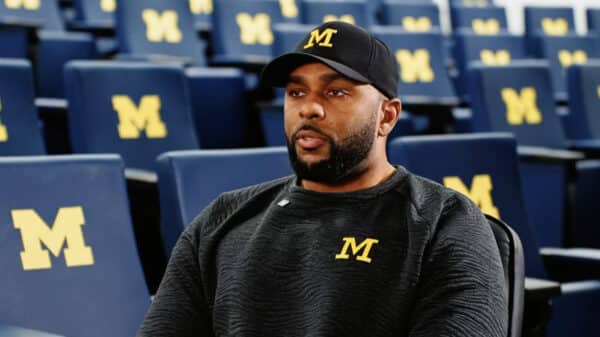




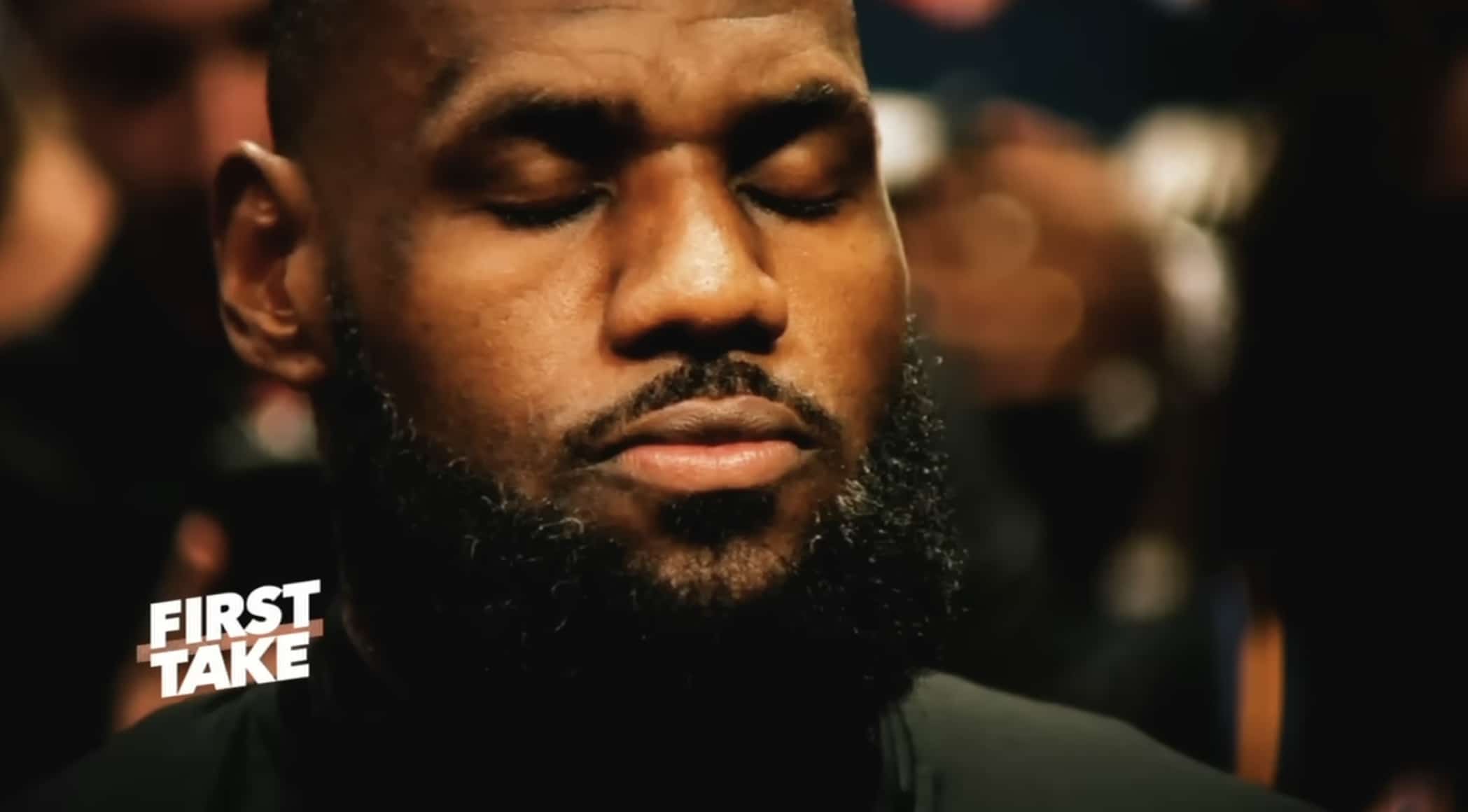

The intersection of LeBron James’ on-court excellence and Stephen A. Smith’s vocal critiques has long been one of the most entertaining subplots in professional basketball. As James continues to defy the laws of biological aging, the discourse surrounding his legacy has reached a fever pitch. Despite the Los Angeles Lakers’ recent postseason strides, Smith remains an immovable object in the “Greatest of All Time” debate, refusing to let modern milestones eclipse the shadow of Michael Jordan.
For Smith, the distinction between James and Jordan isn’t found in the box score—it’s found in the psychological warfare of the 1990s. While LeBron is often characterized as a cerebral “mastermind” who can dismantle an opponent through high-IQ plays and physical versatility, Smith argues that Jordan possessed a “darker” competitive edge. The ESPN analyst recently emphasized that while LeBron will eventually beat you through attrition and skill, Jordan “snatched your heart.” This “fear factor” remains the primary hurdle for James in the eyes of those who witnessed the Chicago Bulls’ era of dominance.
The debate has intensified as the Lakers navigate a high-stakes postseason. Following a localized scare against the Houston Rockets—where a 3-0 lead nearly evaporated into a crisis—the narrative has shifted toward how much weight should be placed on LeBron’s current wins. Smith’s stance is clear: even a hypothetical triumph over a powerhouse like the Oklahoma City Thunder wouldn’t move the needle. To Smith, the GOAT conversation is less about the destination and more about the “aura” of the journey.
Stephen A. Smith Draws Fine Line Between LeBron James And Michael Jordan In GOAT Debate
The nuance in Smith’s argument often gets lost in the loud delivery, but his latest commentary highlights a profound respect for James that often goes unnoticed. Smith is quick to point out that LeBron’s conditioning is essentially an anomaly in the history of professional sports. At age 41, James is still out-pacing and out-maneuvering players who were in elementary school when he won his first championship.
Averaging 23 points, 8 rebounds, and 7 assists in a playoff series at this stage of a career is statistically unprecedented. Smith acknowledged this “tier-one” athleticism, questioning how a player with over two decades of mileage can remain in better physical shape than 95% of the league. This longevity has allowed LeBron to climb the ranks of all-time greats like Kareem Abdul-Jabbar and Isiah Thomas, cementing him as a perennial top-three figure in any serious basketball discussion.
However, the “fine line” Smith draws is rooted in the philosophy of the game. He suggests that the modern era, led by LeBron’s more collaborative and communal approach to the league, differs fundamentally from the isolated, scorched-earth policy of the Jordan years. The fact that the Lakers faced resistance from a lower-seeded Rockets team provides just enough fuel for critics to argue that the “invincibility” of the Jordan era is missing from LeBron’s late-career arc.
Ultimately, the debate serves as a testament to James’ staying power. The fact that an analyst is still debating a 41-year-old’s GOAT status against a peak Michael Jordan is, in itself, a victory for LeBron’s legacy. Whether or not he ever “snatches the heart” of his critics, his ability to force the conversation into his third decade of professional play is a feat that may never be replicated.
While the GOAT debate will likely never reach a universal consensus, the divide between the “Jordan Era” and the “LeBron Era” highlights two different definitions of greatness: one based on a brief, terrifying peak of perfection, and the other on a relentless, high-level sustained excellence that has rewritten the record books. As the Lakers move deeper into the playoffs, every bucket LeBron scores at 41 adds a new chapter to a story that Stephen A. Smith and the rest of the world simply cannot stop watching.