







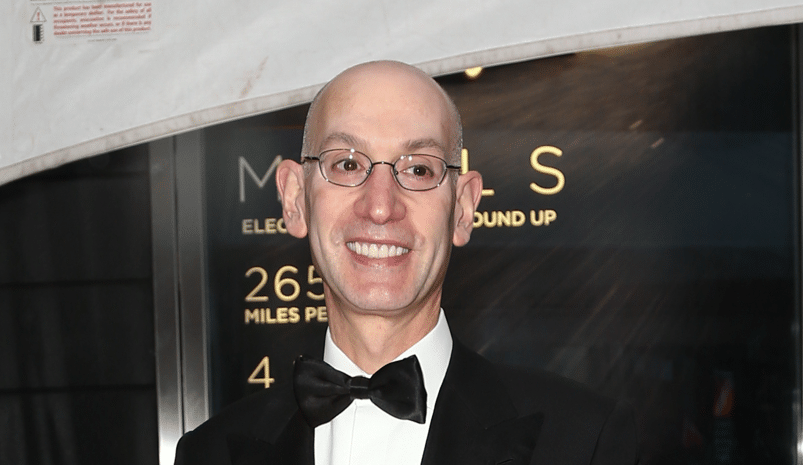
Adam Silver, the current commissioner of the NBA, has always been at the forefront of both subtle and significant changes designed to enhance the game and engage its fans. His commitment to evolving the league is admirable; whether it’s introducing the NBA Cup’s In-Season Tournament, revamping the All-Star Game format, or creatively adapting to a bubble environment to finish the 2019–20 season during the COVID-19 pandemic, Silver is always looking for ways to improve.
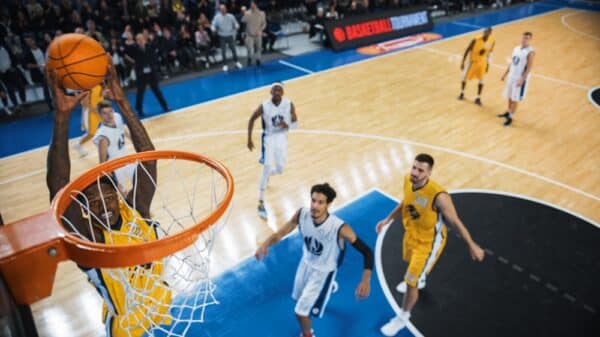
Recently, on Dan LeBatard’s show, Silver pointed out an interesting fact about the NBA – it is the only major basketball league that employs 12-minute quarters. In a moment of candor, Silver shared his desire to test out 10-minute quarters, believing that this adjustment could broaden the NBA’s global appeal and make games more inviting for television audiences.
“I’m probably in the minority,” he admitted, “but as we get more involved in global basketball, the NBA is the only league that plays 48 minutes. I am a fan of four, 10-minute quarters. I’m not sure that many others are. Putting aside what it means for records and things like that, I think a two-hour format for the game is more consistent for the modern, television audience.”
This thought-provoking perspective gets to the heart of today’s viewing habits. People are busier than ever. With streaming services and fast-paced lives, a two-hour basketball game could just be the sweet spot to keep everyone engaged without losing interest. Silver noted, “People in the arenas aren’t asking us to shorten the games. But as a television program, being two hours… Olympic basketball is two hours, college basketball is two hours… It’s such a dramatic change to the game. I think something like that would have to be talked about more.”
These comments are particularly relevant in light of the NBA’s concerns about declining viewership. The topic of the increasing reliance on three-pointers was recently a topic on Shaquille O’Neal’s podcast, highlighting the growing anxiety within the league about how to retain the interest of viewers.
The NBA seems to be seriously considering the shift to 10-minute quarters. After all, other leagues around the world, including the Euroleague, Olympic competitions, FIBA events, and NCAA basketball, are already reaping the benefits of this structure. By adopting a similar framework, it could make it easier for international audiences to tune in, fostering a deeper connection to the league.
Another benefit? Shorter quarters could preserve player energy, making the game more dynamic and engaging throughout. Imagine the excitement of watching players who are still fresh in the final minutes of the game, battling it out, rather than being worn down by longer quarters. If the NBA can also enhance in-game operations, it could lead to shorter games, keeping viewers glued to their screens and craving more.
As the league weighs this intriguing proposition, it’s essential for executives to gather insights through robust audience research and focus group testing. The voices of the fans matter, and their feedback could shape the direction of this significant change. Whether or not the public is on board, it seems that the possibility of implementing 10-minute quarters is not just a fantasy on the drawing board—it’s a conversation that could soon unfold in the corridors of the league office. The dynamics of games, the stamina of the players, and the enthusiasm of fans all hang in the balance of this critical decision—one that could rejuvenate the NBA’s standing in a competitive entertainment landscape.