













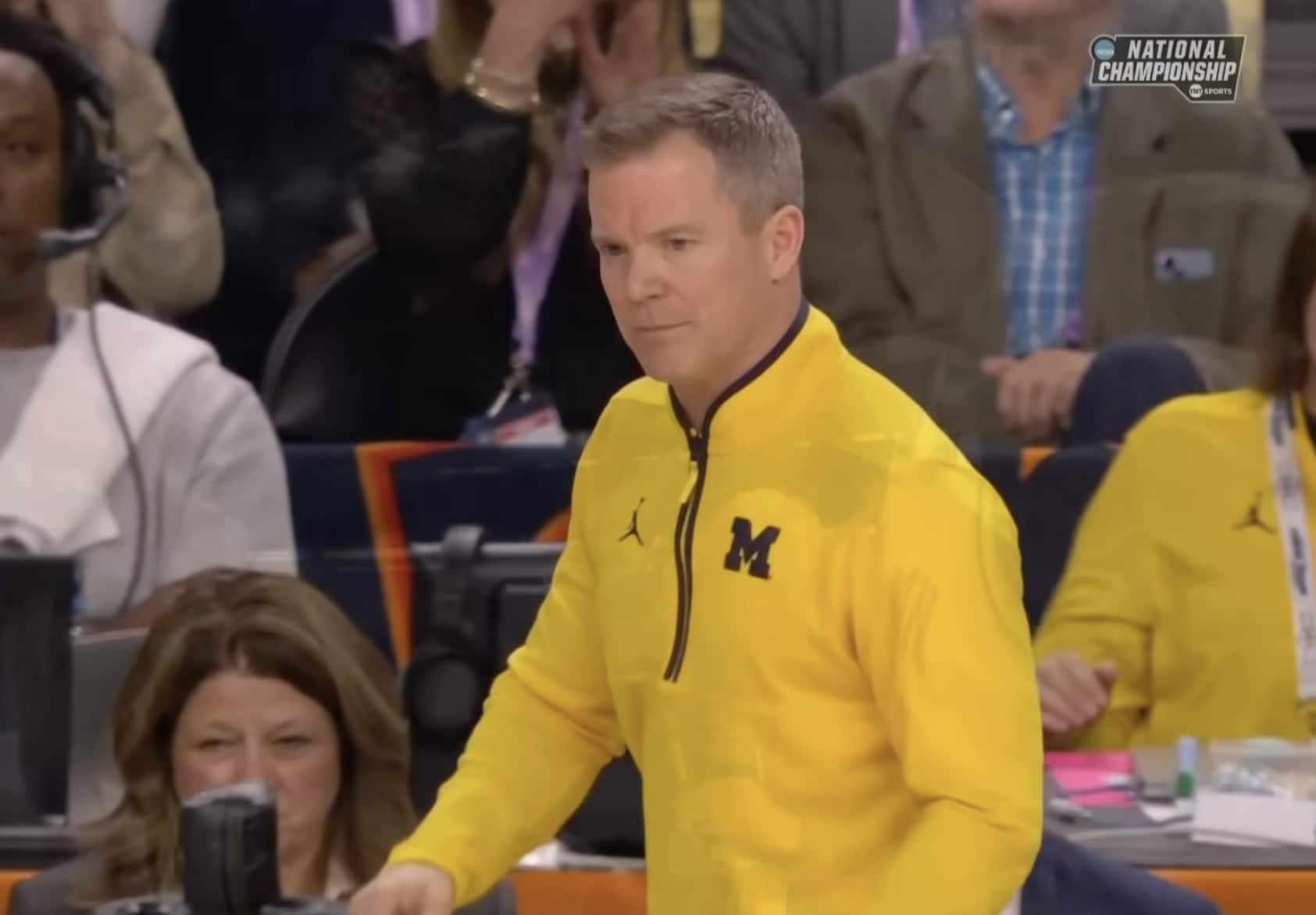
Michigan’s victory over UConn, winning 69-63 in Indianapolis on Monday night, is a significant milestone. It marks the end of a 26-year men’s title drought for the Big Ten, reigniting excitement in the conference.
This triumph followed a powerful performance by UCLA, which dominated South Carolina in the women’s final. This event marked the Big Ten’s first national championship in the women’s tournament since 1999.
Michigan’s win is not isolated. The Big Ten had a strong showing in March Madness this year, leading all conferences in NCAA distributions at both tournaments. This success is attributed to the governing body’s “units” system that allocates rewards based on the number of games played by participating teams.
According to Sportico, the Big Ten stands to gain $60 million from the men’s tournament. This is in addition to the $6.4 million earned from the women’s competition.
Michigan’s championship journey stands out in recent history. The Wolverines achieved an impressive margin of victory across their six tournament games—21 points, 23 points, 13 points, 33 points, 18 points, and six points. Their final match was against a UConn team aiming for its third national title in four years, an achievement last seen with UCLA in the early 1970s.
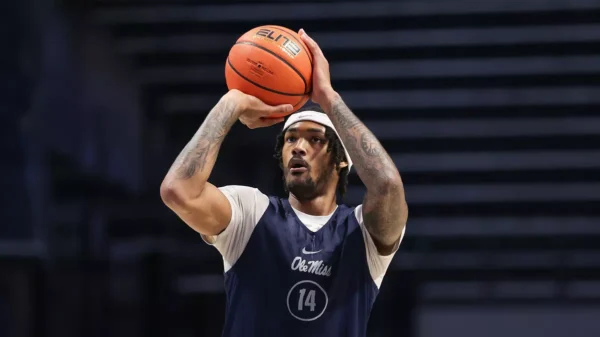
This roster vividly illustrates how college sports are evolving. All five of Michigan’s usual starters were transfers, a first for any NCAA championship team. That includes their leading scorer Yaxel Lendeborg (previously of UAB) and star point guard Elliot Cadeau (from UNC). Remarkably, three of these transfers came from the Big Ten itself, showcasing an unprecedented trend in the conference. Even reserve guard Roddy Gayle Jr. transferred from rival Ohio State.
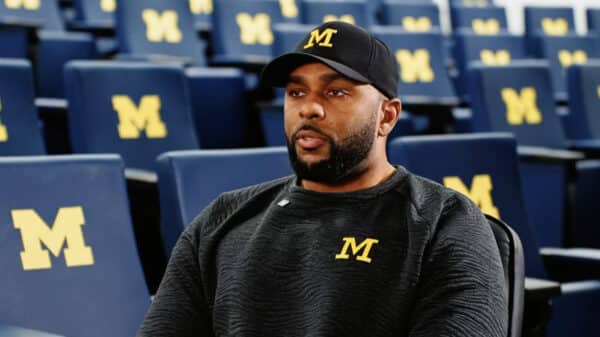
Lendeborg, honored as the Big Ten’s player of the year, mentioned to the Associated Press that he turned down a $7 to $9 million deal from Kentucky to join Michigan. He opted for a smaller salary to play for coach Dusty May, who earned approximately $4.6 million this season. Notably, Kentucky’s head coach Mark Pope hinted that Lendeborg’s account might not be entirely accurate.

Michigan’s single tournament victory in 1989 belies its status as one of the nation’s most prosperous athletic departments. In fiscal 2025, the Wolverines allocated $261.6 million for athletics, likely ranking them fifth among public schools. This funding supports 29 sports and approximately 900 athletes, making it one of the largest departments in the country. Their men’s basketball budget of $14.4 million ranks outside the Top 20 among public institutions.
A substantial portion of Michigan’s annual revenue comes from the Big Ten. The conference stands at the forefront of college sports, alongside the SEC, consistently proving competitive in both men’s and women’s basketball, despite the absence of national championships for the last two decades.
The Big Ten had nine teams represented in this year’s men’s tournament, resulting in 29 games played. With Michigan’s national title included, the Big Ten secured 30 units, each valued at $2 million over the next six years. Thus, the Big Ten’s performance in the current tournament will yield $60 million. The SEC ranked second with 10 teams and a total of 24 units, projected to receive $48 million. Following closely were the Big 12 (eight teams—19 units—$38 million) and the ACC (eight teams—14 units—$28 million). Meanwhile, 19 other conferences will receive the minimum of $2 million for achieving a single unit; the MAC stands out as the biggest mid-major success story with two teams qualifying for the tournament, thus earning three units totaling $6 million.
The distribution framework for the women’s tournaments mirrors the men’s, though they yield smaller amounts and pay out over three years instead of six. The Big Ten earned 32 units during the women’s tournament, exceeding the SEC (29) and the ACC (24).
(This story has been corrected regarding the Big Ten earning 30, not 29, units from the men’s tournament and includes the corresponding adjustments in financial estimates.)