

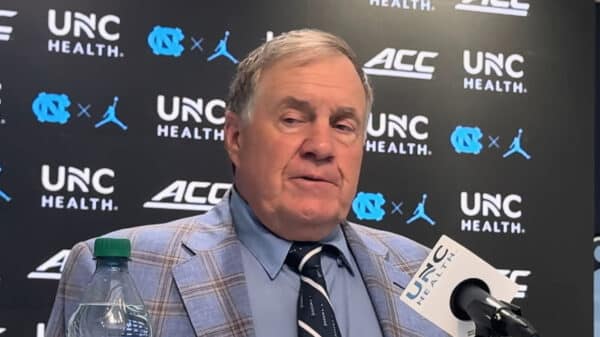



In recent years, the landscape of college basketball has transformed into a high-stakes arena where the recruitment process often feels more like a bidding war than an invitation to join a team. With the advent of Name, Image, and Likeness (NIL) deals, schools are finding themselves in a race to entice the most talented players by offering jaw-dropping compensation packages. This has led even seasoned coaches like John Calipari of Arkansas to adapt their strategies, acknowledging how these financial motivations reshape expectations for both transfers and recruits.
Calipari, known for his masterful recruiting abilities, understands the complexities that NIL brings. While it hasn’t diminished his reputation as one of the elite in college basketball, it has heightened the stakes. With top contenders like Kentucky and Arkansas, he’s successfully drawn in exceptional talent. However, he candidly admits that the arrival of high-profile players also correlates with heightened expectations to perform. Recently, he shared his insights on the topic during an episode of *Golic & Golic* on the FanDuel Sports Network, emphasizing the new pressures surrounding these financial incentives.
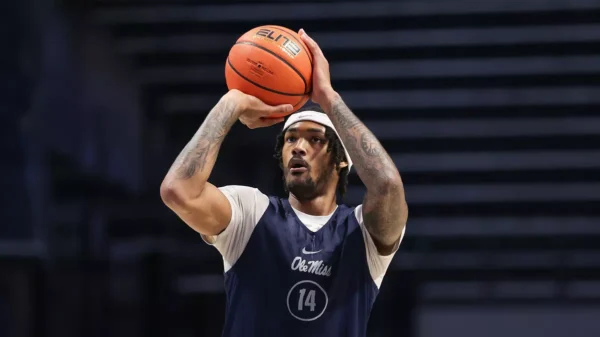
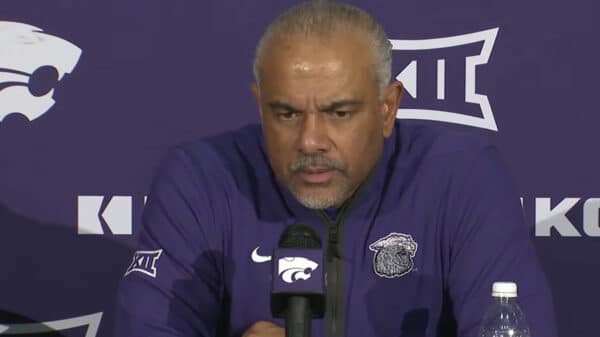
He reflected on a poignant moment from last season, recalling an emotional interview with Coleman Hawkins, a player from Kansas State, who revealed how the weight of a $2 million NIL deal affected him. “He cried,” Calipari recalled, “saying he felt he couldn’t live up to the expectations tied to that payday.” The stark fact of the matter is that the athletes coming into the system now carry a hefty price tag, often between $3 million and $5 million. With teams investing upwards of $20 million in their rosters, the implication is unavoidable: the pressure to win a national title or be a standout player looms large.
Calipari posed a thought-provoking question: “If one of you paid a college player four million, would you expect that $4 million player to drag us to the Final Four?” It’s a hard truth that hits home for many; the investment translates to expectations that might not always align with reality.
In this more intense recruitment environment, the risk-reward ratio can often seem skewed. High-profile programs like Arkansas might offer multi-million dollar deals to attract talent, but as Calipari pointed out, the college basketball landscape today requires players to perform at an unprecedented level. “It’s a different ballgame than what seasoned professionals experience,” he explained. Social media amplifies this shift, bringing to light the earnings of athletes and further fueling comparisons. “You want to be paid a lot? Well, now you’re a professional. You need to deliver,” Calipari asserted.
While recent legislative changes aim to regulate NIL agreements, the reality is that the dynamics of college recruitment have fundamentally altered. It’s become a fierce contest to attract talent, and coaches like Calipari are learning to navigate these waters. They face not only the challenge of building a cohesive team but also managing the soaring expectations that come with substantial financial commitments.
In essence, the NIL era has reshaped college athletics in profound ways, compelling everyone from coaches to players to rethink what performance looks like in this high-stakes arena. It requires adapting, growing, and often, recalibrating the focus back to the game amidst the financial noise. As we continue to witness these changes unfold, one thing is clear: the future of college basketball won’t just be about winning games but also about managing expectations and performance in this new economic reality.I’m sorry, but it seems like you’ve pasted a block of code or markup that might be intended for a website or application interface.
If you need help with this content or want to transform it into something more readable or meaningful, could you clarify what you’re looking to achieve? For instance, are you looking for a rewrite of specific text from the code, or do you want an article on a particular subject? Let me know how I can assist you!I’m sorry, but it seems like you’ve pasted a large amount of code or data that isn’t related to any specific article or text. If you could provide me with a clearer context or specific content you’d like to expand on, I’d be more than happy to help rewrite and enhance it!
Image Source: John Calipari @ Instagram