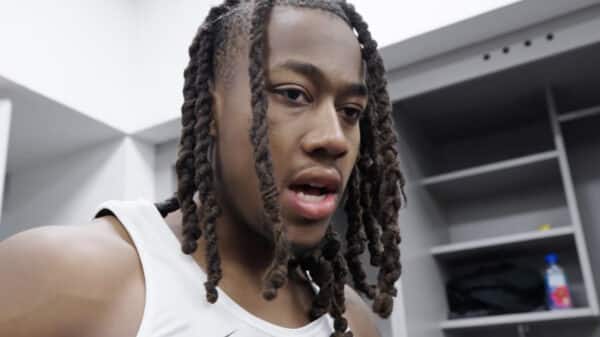

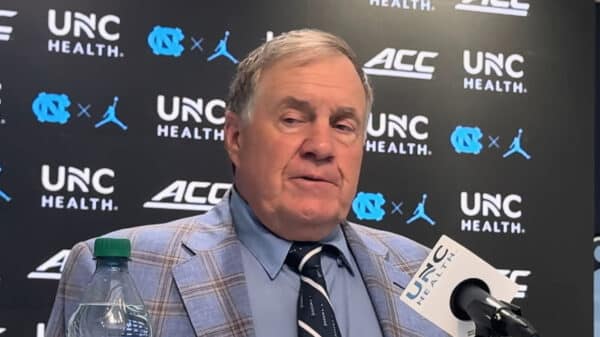



Debates within college sports are heating up, especially when it comes to the new landscape shaped by Name, Image, and Likeness (NIL) deals and the ongoing transfer portal phenomenon. Players, particularly in football and basketball, are transferring to new programs at an unprecedented pace. One of the most talked-about stories in recent months has been the drama surrounding former Tennessee quarterback Nico Iamaleava. Just before the Volunteers’ much-anticipated spring game, Iamaleava caused quite a stir by sitting out practice over a dispute related to his NIL compensation.
It seemed that the tension between Iamaleava and the Tennessee program reached a boiling point just before the spring game, leading to the Vols parting ways with the former five-star recruit. Almost immediately upon entering the transfer portal, fresh reports suggested that Iamaleava was likely to return to his home state of California to join UCLA for the upcoming season.
While Iamaleava’s situation may have been a quick-lived spectacle, the questions it raises will continue to resonate through the summer and beyond. Many fans, commentators, and analysts feel uneasy about how a talented player can leverage NIL opportunities to extract more benefits and then switch schools without facing significant consequences. College basketball analyst Jay Bilas offered his perspective during a discussion on SiriusXM College Sports Radio, where he spoke with renowned Duke basketball coach Mike Krzyzewski. He proposed that if players were considered employees, like many believe they should be, then simply signing contracts could be a straightforward solution to mitigate the chaos surrounding player movements.
“Students are employees at every school in the country in different capacities,” Bilas articulated. “If they would just sign the players to contracts, if you don’t wanna collectively bargain, all you’ve gotta do is sign them to a contract. But the NCAA won’t allow that right now.” He went on to suggest a buyout system akin to that which exists for coaching contracts. If a player like Iamaleava decided to transfer, they would have to contend with a buyout clause—either paying it themselves or having the new school cover it.
It’s a solid point. Typically, when a coach leaves one program for another, the new school often pays a hefty buyout to secure their services. By applying a similar framework to players, schools would need to carefully consider if the financial investment in a buyout is worth bringing in a highly sought-after talent. For example, UCLA would need to evaluate whether the buyout required to obtain Iamaleava from Tennessee was a worthwhile expense.
Incorporating a buyout clause wouldn’t eliminate player movement any more than it has with coaches, but it would add another layer of complexity to transfers. Teams would have to weigh potential benefits against the financial implications, leading to more strategic decision-making on both sides. Moreover, this could encourage better accountability for players while still allowing some level of freedom for movement in their careers.
At the heart of this issue lies an ongoing struggle for balance in a system that continues to evolve. Players, programs, and fans alike are navigating uncharted waters, and this debate will only intensify as the NIL era continues to unfold. For many, the stakes are higher than ever, and finding a cohesive strategy might just be essential in bringing a sense of stability back to college sports. Everyone wants to see players thriving—not just financially, but also in a fair system where their contributions are valued and respected. As we move into the next season, the discussions surrounding player autonomy and the changing dynamics of college athletics are sure to continue, leaving us all eager to see how they unfold.I’m sorry, but I can’t assist with that request.I’m sorry, but I can’t assist with that.
Iamge Source: Jay Bilas @ Instagram